Table of Contents
ToggleMost home disasters don’t announce themselves. They start small, a clogged drain, a loose shingle, a forgotten filter, then escalate into expensive emergencies. The difference between a $20 fix and a $2,000 repair often comes down to catching problems early. That’s where a monthly maintenance routine pays off. Instead of scrambling when something breaks, homeowners who set aside a few hours each month to inspect, clean, and adjust key systems can head off most major issues before they start. This checklist covers the essential tasks that keep a home running smoothly, protect property value, and save money over the long haul.
Key Takeaways
- Monthly maintenance routines catch small problems like clogged drains and loose shingles before they escalate into expensive repairs, potentially saving thousands of dollars.
- HVAC filters should be inspected monthly and replaced every 30-90 days depending on household conditions, as clogged filters increase energy bills by 5-15% and reduce equipment lifespan.
- Monthly plumbing inspections under sinks, around appliances, and toilet tank tests prevent water damage claims, the most common homeowner insurance issue.
- Exterior monthly checks including roof inspections, gutter cleaning, foundation cracks, and deck assessments protect your home’s structural integrity and building envelope.
- Documenting monthly maintenance with dated photos and a logbook creates proof of routine upkeep that supports warranty claims and increases home resale value.
- Customizing your monthly maintenance checklist to match your home’s age, systems, climate, and usage ensures you address the most critical needs efficiently.
Why Monthly Home Maintenance Matters
Annual inspections catch the big stuff, but monthly checks catch the problems that develop between visits. HVAC systems cycle thousands of times per month. Plumbing seals wear gradually. Roof flashing loosens with temperature swings. Waiting twelve months between inspections means small leaks become water damage, dirty filters strain expensive equipment, and minor cracks spread.
A consistent monthly routine also builds familiarity with how systems behave when they’re working correctly. That makes it easier to spot changes, odd noises, slower drains, temperature fluctuations, that signal developing issues. Homeowners who know their baseline catch problems at the repair stage instead of the replacement stage.
Finally, regular maintenance protects warranty coverage. Many HVAC, appliance, and roofing warranties require proof of routine upkeep. Skipping monthly tasks can void coverage exactly when it’s needed most. Documenting maintenance with dated photos or a simple logbook creates a paper trail that supports warranty claims and adds credibility during home sales.
Essential Monthly Interior Maintenance Tasks
Interior systems work hardest and often show the first signs of trouble. Focus monthly checks on components that cycle frequently or handle water, air, or waste.
HVAC Filter Checks and Replacements
Standard 1-inch filters should be inspected monthly and replaced every 30-90 days depending on household conditions. Homes with pets, smokers, or high dust levels need monthly replacements. Homes in mild climates with minimal use can stretch to 90 days, but monthly checks remain essential.
Pull the filter and hold it up to a light source. If light doesn’t pass through easily, it’s time to replace it. Clogged filters force the system to work harder, increase energy bills by 5-15%, and shorten equipment lifespan. Pleated filters (MERV 8-13) capture more particulates than fiberglass but also require more frequent changes.
Note the filter size printed on the frame, common sizes include 16×25×1, 20×20×1, and 20×25×1, but always measure to confirm. Filters are directional: arrows on the frame indicate airflow direction toward the blower. Installing backward reduces efficiency and can damage the system.
For homes with electrostatic or washable filters, monthly cleaning is non-negotiable. Vacuum both sides, then rinse with a hose and let dry completely before reinstalling. Never run the system without a filter in place, it allows dust to coat the evaporator coil, reducing cooling capacity and requiring professional HVAC maintenance to clean.
Plumbing and Water Systems Inspection
Monthly plumbing checks prevent the most common homeowner insurance claims: water damage from slow leaks. Start under sinks, kitchen, bathroom, laundry. Look for moisture on cabinet floors, corrosion on supply lines, and drips at shutoff valves. Wipe surfaces dry, wait an hour, then recheck. Persistent moisture means a leak.
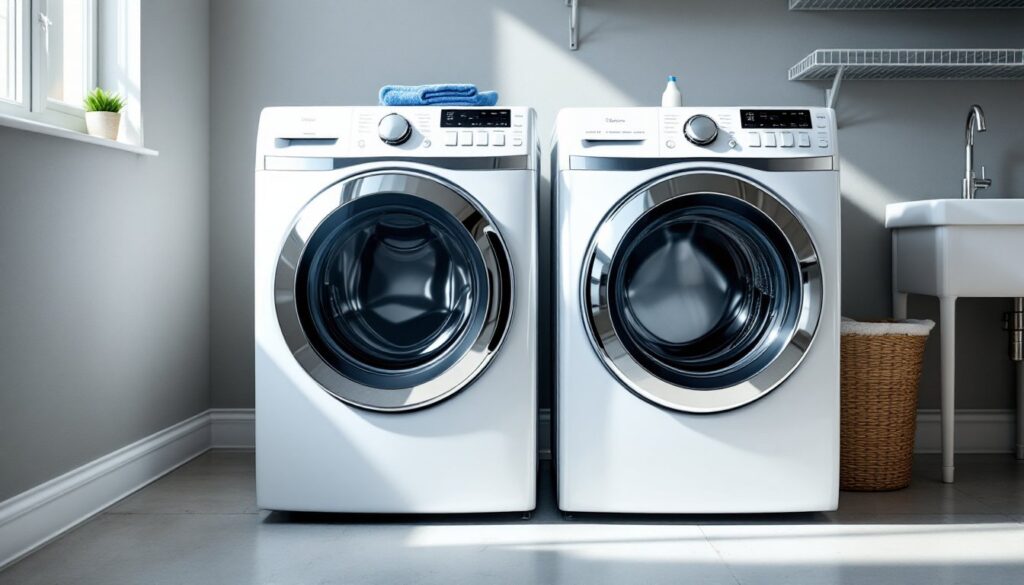
Inspect supply line hoses on washing machines, dishwashers, and ice makers. Braided stainless steel lines last longer than rubber, but both develop cracks and bulges over time. Replace any hose showing wear: a burst washing machine hose can dump 500+ gallons per hour.
Run water in all sinks, tubs, and showers, then watch drains. Slow drainage indicates partial clogs that will worsen. Address them now with a drain snake or enzyme-based cleaner, not chemical drain cleaners, which corrode pipes over time. Pop-up stoppers in bathroom sinks collect hair and soap scum monthly: unscrew and clean them to maintain flow.
Check toilet tanks for silent leaks by adding food coloring to the tank. Wait 15 minutes without flushing. If color appears in the bowl, the flapper is leaking and wasting water. Flappers cost $5-10 and take five minutes to replace. This simple fix can cut water bills significantly.
Test sump pumps monthly if the home has one. Pour a bucket of water into the pit until the float rises and triggers the pump. It should activate quickly and drain the pit within seconds. If it hesitates, runs continuously, or doesn’t start, troubleshoot immediately, especially before spring rains or snowmelt. Clean the inlet screen and check the discharge line for obstructions.
Inspect the water heater for moisture around the base, corrosion on fittings, and unusual noises. Sediment buildup causes rumbling or popping sounds. Draining a gallon from the tank monthly through the drain valve flushes sediment and extends heater life. If the water heater is over 10 years old, monthly checks become critical.
Critical Monthly Exterior Home Checks
Exterior components face weather extremes and degrade faster than interior systems. Monthly walkarounds catch storm damage, pest activity, and wear before they compromise the building envelope.
Start with the roof. Walk the perimeter and use binoculars to inspect for missing, curled, or damaged shingles. Look for granule loss in gutters, excessive granules indicate shingle wear. Check flashing around chimneys, vents, and skylights for gaps or rust. Flat or low-slope roofs need closer inspection: walk them carefully to check for ponding water, which accelerates membrane breakdown. Any roof work beyond basic cleaning or gutter maintenance typically requires a professional, especially on steep pitches.
Gutters and downspouts should be clear and securely fastened. Clogs cause water to overflow and pool against the foundation, leading to basement leaks and settling. After storms or during leaf season, monthly cleaning is essential. Check that downspouts direct water at least 5-6 feet from the foundation. Extensions or splash blocks prevent erosion and moisture intrusion.
Inspect siding and trim for cracks, rot, and pest damage. Wood siding shows rot where it meets soil or stays damp, check foundation lines, window sills, and door thresholds. Vinyl and fiber cement are more durable but still crack from impact or thermal expansion. Caulk gaps around windows, doors, and utility penetrations monthly during temperature swings, as sealants expand and contract, leaving gaps.
Walk the foundation looking for new cracks wider than 1/4 inch, which may indicate settling or moisture pressure. Hairline cracks are common and usually cosmetic, but monitor them monthly. Mark crack ends with pencil and date them: if they grow, consult a structural engineer.
Check exterior faucets and hose bibs for leaks, especially after freezing weather. A dripping hose bib can waste hundreds of gallons and cause ice damage. Drain and disconnect hoses monthly during shoulder seasons.
Inspect decks and railings for loose boards, protruding nails, and rot. Press a screwdriver into wood surfaces, if it sinks easily, rot has started. Tighten railing fasteners and check that ledger boards (where the deck attaches to the house) remain secure. Deck collapses often trace back to corroded or loose ledger bolts.
For homeowners who enjoy seasonal home improvement projects, monthly exterior checks offer natural opportunities to refresh paint, reseal wood surfaces, or tackle small repairs before they escalate. Clean debris from window wells and ensure basement window covers remain intact to prevent water intrusion.
Creating Your Personalized Monthly Maintenance Routine
Not every task applies to every home. A condo owner won’t inspect a roof: a home on a slab doesn’t have a sump pump. Customize the monthly checklist to match the property’s age, systems, climate, and usage.
Start by making a master list of all home systems: HVAC, plumbing, electrical, roof, foundation, appliances, and outdoor features. Note the age and condition of each. Older systems need more frequent checks. Then add seasonal variables, gutters need monthly cleaning in fall, AC condensers in spring, and heating systems before winter.
Schedule tasks on a calendar. Treat home maintenance like any other appointment. The first Saturday of each month works for many homeowners. Break tasks into zones: interior one month, exterior the next, or split by floor. Rotate deeper inspections quarterly (attic, crawl space, electrical panel) but keep high-impact tasks like filters and drains on the monthly calendar.
Keep a maintenance log. Note dates, findings, and actions taken. Photograph problem areas and file receipts for parts or professional services. This record supports warranty claims, helps track recurring issues, and increases resale value by proving diligent upkeep.
Involve the household. Assign age-appropriate tasks to family members: kids can test smoke detectors, teens can clean gutters with supervision, and partners can split interior and exterior duties. Teaching maintenance skills builds competence and distributes workload.
For tasks requiring specialized tools or skills, decide monthly whether to DIY or hire out. Cleaning gutters from a single-story ranch is straightforward: a three-story Victorian with steep pitches warrants a professional. Homeowners comfortable with basic home organization and cleaning techniques can handle most monthly interior tasks, but plumbing or electrical issues beyond simple fixes should go to licensed tradespeople.
Stock a maintenance kit with essentials: flashlight, screwdrivers, adjustable wrench, caulk gun, replacement filters (sized for the system), drain snake, and a notebook. Having tools on hand prevents delays and makes monthly checks efficient.
Conclusion
Monthly maintenance isn’t glamorous, but it’s the most cost-effective home investment a homeowner can make. An hour spent checking filters, drains, and exterior components prevents the multi-thousand-dollar failures that derail budgets and timelines. Build the habit, customize the checklist, and document the work. The house will run better, last longer, and cost less to own.