Table of Contents
ToggleWalk into any appliance showroom and you’ll notice a shift: bottom freezer refrigerators dominate the floor. It’s not a fad. Homeowners replacing old top-freezer units quickly realize that bending down for frozen peas beats stooping for milk, eggs, and leftovers multiple times a day. If you’re shopping for a new fridge or planning a kitchen remodel, understanding what makes a bottom freezer refrigerator different, and why it might be the best fit for your space, saves you from buyer’s remorse and wasted counter depth. This guide breaks down the design, benefits, and real-world considerations so you can choose confidently.
Key Takeaways
- Bottom freezer refrigerators place fresh food at eye level, reducing unnecessary bending and improving ergonomics for everyday kitchen use since households open the fridge 20+ times daily but access the freezer only a handful of times.
- A bottom freezer refrigerator with ENERGY STAR certification typically costs 10–15% less to operate annually than older top-freezer models, with estimated yearly costs around $63 for a 22-cubic-foot unit.
- Choose a storage capacity of 20–24 cubic feet for 2–3 people or 25+ cubic feet for larger families, and verify the fridge-to-freezer ratio (70/30 for weekly shopping, 60/40 for bulk freezing) before purchasing.
- Proper installation requires measuring doorways and hallway widths carefully, allowing at least 1 inch on each side and 2 inches at the back for ventilation, and ensuring a level floor with correct door swing clearance.
- Multi-tiered drawer systems in bottom freezer refrigerator models improve organization and visibility compared to stacked shelves, making it easier to find items without digging through frozen bags.
- If adding a bottom freezer refrigerator with water and ice dispenser, budget $100–$200 for plumbing installation and plan for $30–$50 filter replacements every six months.
What Is a Bottom Freezer Refrigerator and Why Choose One?
A bottom freezer refrigerator (also called a bottom mount refrigerator) places the freezer compartment below the fresh food section. Unlike traditional top-freezer models, the refrigerator occupies the upper two-thirds of the unit, putting everyday items, milk, condiments, produce, at eye level and arm’s reach.
The layout flips conventional thinking. Most households open the fridge door 20+ times a day but access the freezer only a handful of times. Placing the freezer at floor level reduces unnecessary bending for the compartment you use most. The bottom mount freezer refrigerator design emerged in European markets decades ago and gained traction in North America as ergonomics and energy efficiency became selling points.
You’ll find three common configurations:
- Single-door refrigerator bottom freezer: One full-width door for the fridge, one pull-out or swing-door freezer below. Compact and budget-friendly.
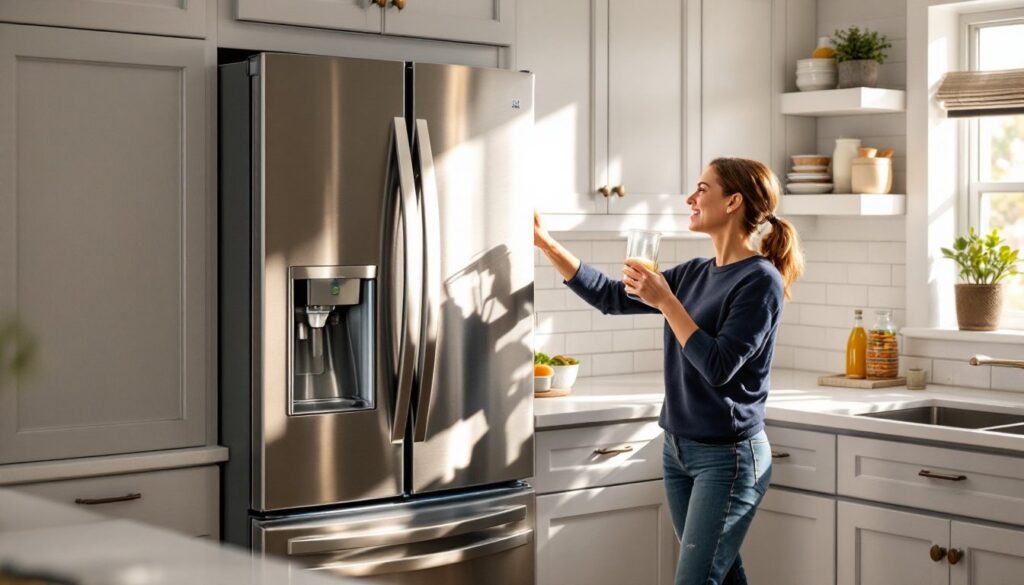
- French door with bottom freezer: Two upper doors for the fridge, freezer drawer below. Offers wider shelf access without a door swing obstructing walkways.
- Counter-depth bottom freezer: Shallower profile that sits flush with cabinetry, popular in built-in kitchen designs and remodels.
Each style fits different kitchen footprints. A narrow galley kitchen benefits from a single-door model with a smaller swing radius, while an open-plan layout accommodates French doors.
Key Benefits of Bottom Freezer Refrigerators for Modern Homes
Ergonomics trump nostalgia. The main advantage is simple: fresh food at eye level means less stooping. If you’ve got back issues or mobility limits, a bottom refrigerator freezer keeps the items you grab most within comfortable reach. Frozen goods live in a pull-out drawer or lower compartment you access less frequently.
Energy efficiency. Cold air sinks. In a bottom-mount design, the freezer compartment naturally retains cold when you open the fridge door above it. Top-freezer models lose more cold air from the fridge section every time the door swings open. Many current best bottom freezer refrigerator models carry ENERGY STAR certification and use inverter compressors that adjust cooling cycles instead of running full-blast on a timer. Expect annual operating costs 10–15% lower than older top-freezer units, depending on size and usage.
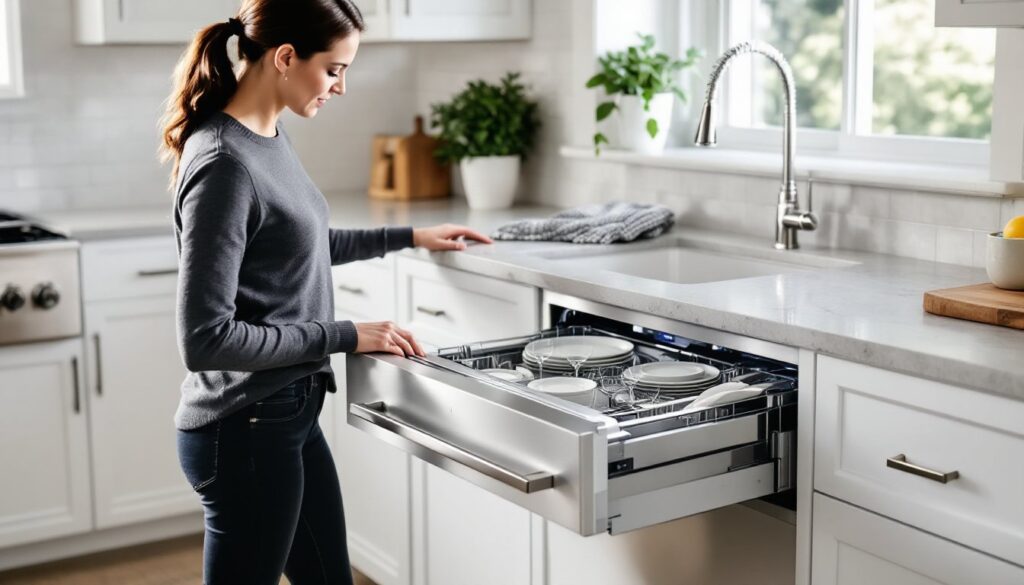
Flexible storage options. Pull-out freezer drawers offer better visibility than stacked shelves. You’re not digging through frozen mystery bags to find the ice pack. Some models include adjustable dividers, tilt-out door bins, and separate zones for quick-freeze items. The fridge section often features spill-proof glass shelves, humidity-controlled crisper drawers, and adjustable door bins tall enough for gallon jugs.
Aesthetics and resale value. Bottom-freezer models align with contemporary kitchen trends that emphasize clean lines and user-centered design. If you’re prepping a home for sale, a modern fridge signals updated appliances to buyers. It’s not a guaranteed ROI booster, but it checks a box on many wish lists.
Important Features to Consider Before Buying
Storage Capacity and Configuration Options
Measure first, shop second. Standard bottom-freezer models range from 18 to 33 cubic feet total capacity. A household of two to three people typically needs 20–24 cubic feet: families of four or more benefit from 25+ cubic feet. Don’t just compare totals, check the fridge-to-freezer split. A 70/30 ratio (70% fridge, 30% freezer) suits households that buy fresh groceries weekly. If you stock up on frozen bulk buys, look for a 60/40 split.
Shelf and drawer layout matters. Fixed shelves limit flexibility: adjustable glass shelves let you reconfigure for tall pitchers or sheet cakes. Look for spill-proof shelves with raised edges that contain leaks. Humidity-controlled crisper drawers extend produce life, set one to high humidity for leafy greens, the other to low for fruits.
Freezer drawers come in two styles:
- Single pull-out drawer: One large bin, often with a sliding upper basket. Simple but less organized.
- Multi-tiered drawer system: Separate compartments for meats, frozen meals, and ice. Easier to inventory but slightly reduces usable volume due to dividers.
If you’re considering a bottom freezer refrigerator with ice maker or bottom freezer refrigerator with water dispenser, check where the ice bin sits. Internal ice makers consume 10–15% of freezer space. A bottom freezer refrigerator without ice maker maximizes storage but requires ice trays or a separate ice machine.
Energy Efficiency and Operating Costs
ENERGY STAR ratings aren’t optional. Look for models that exceed minimum federal standards by at least 10%. The yellow EnergyGuide label estimates annual electricity use in kWh. Multiply that number by your local electricity rate (national average is around $0.14/kWh as of 2026) to forecast yearly costs. A 22-cubic-foot best refrigerator bottom freezer using 450 kWh annually costs roughly $63/year to run, older units can hit $120+.
Inverter compressors adjust speed based on cooling demand instead of cycling on and off. They’re quieter, more efficient, and extend compressor lifespan. If the spec sheet lists “linear compressor” or “digital inverter,” you’re looking at newer tech.
Water and ice features add cost. A bottom freezer refrigerator with water and ice dispenser requires a water line hookup. Budget $100–$200 for plumbing if your kitchen lacks an existing line (typically a 1/4-inch copper or braided stainless supply line tapped from the nearest cold-water pipe). Filters need replacement every six months at $30–$50 each. If you don’t want the maintenance, a bottom freezer refrigerator without ice maker eliminates that recurring expense.
Insulation and door seals. Thicker insulation (often vacuum-insulated panels in premium models) keeps internal temps stable and reduces compressor runtime. Check door gaskets for uniform contact, gaps waste energy. Replace worn seals immediately: they’re a $40 DIY fix that prevents hundreds in lost cooling.
Installation Tips and Kitchen Layout Considerations
Measure the delivery path, not just the cutout. Refrigerators rarely fail to fit the designated space, they fail to fit through the doorway. Measure door frames, hallway widths, and any 90-degree turns from the truck to the kitchen. Most bottom-freezer models are 30–36 inches wide, 28–34 inches deep (add 1 inch for door handles), and 67–70 inches tall. If your hallway is 32 inches wide and the fridge is 33 inches, you’re not getting it in without removing doors or trim.
Leave clearance for ventilation. The refrigerator needs breathing room. Leave at least 1 inch on each side and 2 inches at the back for airflow around the condenser coils. Counter-depth models designed for built-in installation have front-venting grilles and different clearance specs, check the manufacturer’s cut sheet. Blocking airflow forces the compressor to work harder, shortening its lifespan and spiking energy use.
Door swing and landing space. A standard 33-inch-wide single-door model needs roughly 36 inches of clearance to fully open. French-door styles require less swing radius per door but more overall width. If your fridge sits perpendicular to an island, make sure the door doesn’t block the main walkway. The top refrigerator bottom freezer French-door layout excels in tight spaces because each door swings only 15–18 inches instead of 30+.
Electrical requirements. Nearly all residential refrigerators run on standard 115V, 15-amp circuits. Dedicated circuits aren’t required by the National Electrical Code (NEC) for refrigerators under 12 amps, but it’s smart practice. Avoid sharing a circuit with garbage disposals, microwaves, or other high-draw appliances. If you’re adding a bottom freezer refrigerator with water and ice dispenser, you’ll need a shutoff valve within six feet of the unit for code compliance in most jurisdictions.
Flooring and leveling. Set the fridge on a level surface. Most models have adjustable front leveling legs and rear rollers. Use a 2-foot level across the top front edge, adjust the legs until the bubble centers. A slight backward tilt (1/8 inch over 24 inches) helps doors self-close. If you’re installing over new vinyl plank or laminate, place a scrap plywood pad under the legs to distribute weight and prevent dents. Tile and engineered hardwood handle the load without extra support.
Water line hookup (if applicable). Run a 1/4-inch braided stainless steel supply line from the nearest cold-water pipe to the fridge inlet (usually on the back lower panel). Use a saddle valve or compression tee fitting at the source. Turn off the main water supply before tapping the line. Once connected, flush the dispenser for five minutes to clear air and carbon fines from the filter. If you’re not comfortable soldering copper or working with PEX, hire a plumber, leaks behind a fridge can ruin flooring before you notice.
Dispose of the old unit responsibly. Most municipalities require refrigerant recovery before disposal. Many retailers offer haul-away services for $25–$50 when delivering a new appliance. If you’re DIYing removal, contact your local waste management authority, some offer free appliance pickup days. Never dump a fridge curbside: it’s illegal in most areas due to refrigerant regulations.
Conclusion
Choosing the best bottom freezer refrigerator comes down to matching capacity, features, and footprint to your kitchen and household needs. Prioritize ergonomics and energy efficiency over gadgets you won’t use. Measure twice, compare EnergyGuide labels, and budget for installation costs if you’re adding water lines or upgrading circuits. Whether you’re hunting for a bottom freezer refrigerator sale or investing in a premium model with a water dispenser, the right unit makes daily kitchen tasks smoother and keeps food fresher longer.