Table of Contents
ToggleSmall kitchens don’t have to mean compromising on convenience. A sink dishwasher combo, also called an in-sink dishwasher or 2 in 1 dishwasher sink, merges two essential appliances into one compact unit, freeing up valuable counter and cabinet space without sacrificing functionality. These dual-purpose units integrate a functioning sink basin with a built-in dishwasher compartment, making them ideal for apartments, tiny homes, ADUs, or any kitchen where every square inch counts. If you’re renovating a tight space or simply want to maximize efficiency, understanding how these combos work, what models are available, and what installation entails will help you decide if this innovative solution fits your project.
Key Takeaways
- A sink dishwasher combo merges a functional sink basin with a built-in dishwasher compartment in a single cabinet footprint, ideal for small kitchens, apartments, and ADUs where space is limited.
- Installing a sink dishwasher combo saves $150 to $300 in labor costs and requires only 2 to 4 hours of installation time compared to 4 to 6 hours for traditional under-counter dishwashers.
- Most combo units hold 4 to 8 place settings with 90 to 120-minute cycle times, making them suitable for individuals or couples but potentially impractical for larger families who entertain frequently.
- Top 2026 models like the Fotile 3-in-1 ($1,800–$2,200) offer quieter operation and Energy Star compliance, while budget-friendly options like the Aquatica MiniDish ($900–$1,100) serve rentals and starter homes.
- A sink dishwasher combo eliminates the need for a separate 24-inch dishwasher cabinet, freeing up valuable counter and storage space while maintaining a cleaner sightline in open-concept or galley kitchens.
- Specialty parts availability and repair technician access can be challenging with combo units, making a two-year parts-and-labor warranty essential for long-term reliability.
What Is a Sink Dishwasher Combo?
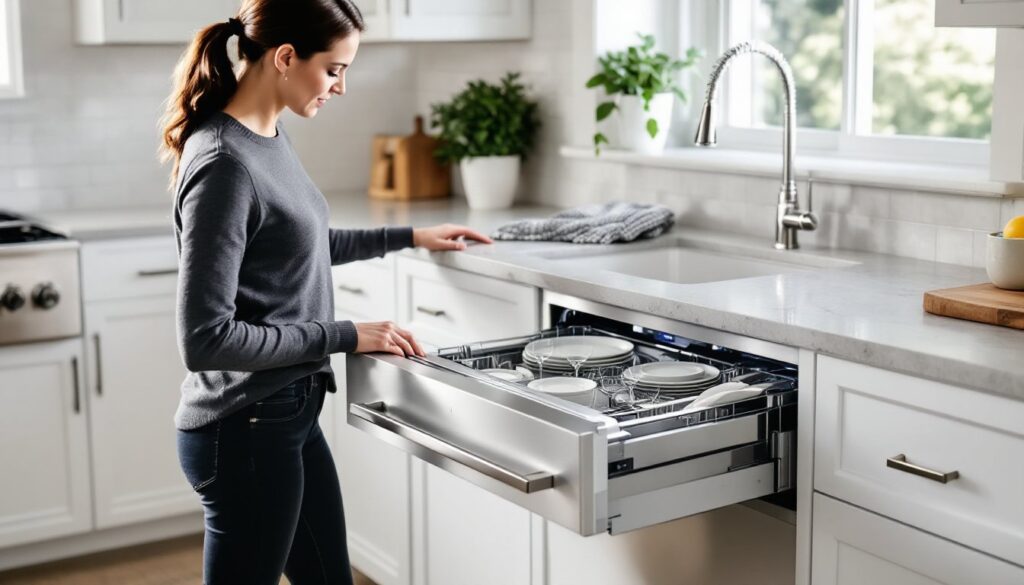
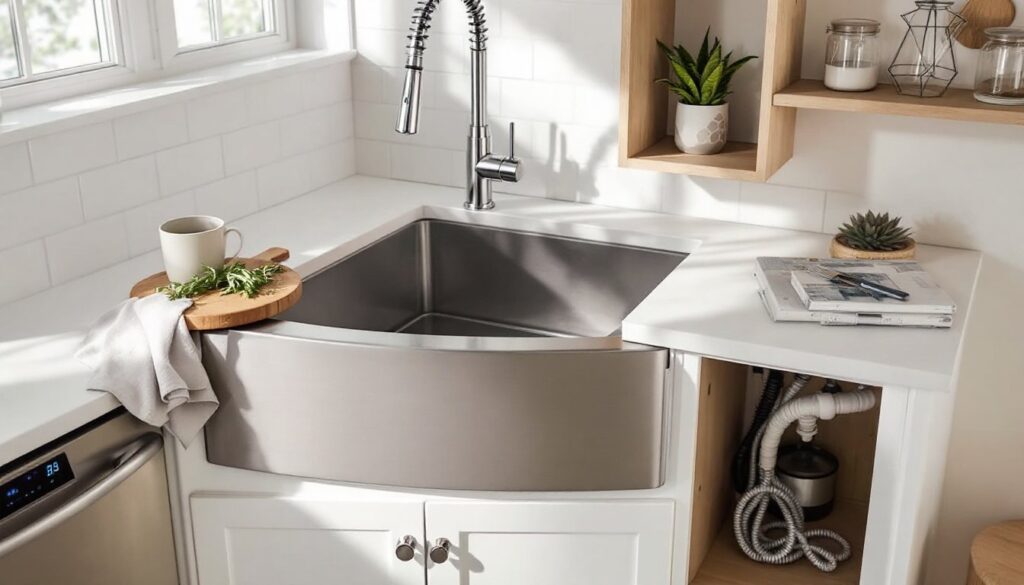
A sink dishwasher combo is a hybrid fixture that combines a standard kitchen sink with a compact dishwasher in a single cabinet footprint. The dishwasher compartment typically sits beneath or alongside the sink basin, sharing the same water supply and drain lines. Some models feature a 2 in 1 sink dishwasher combo design where the sink itself doubles as the dishwasher chamber, you fill the basin with dishes, close a lid or panel, and the unit sprays and drains just like a conventional dishwasher.
Other configurations use a side-by-side or under-mount layout, where the dishwasher sink functions as two separate but integrated zones. Water hookups are shared, reducing the plumbing complexity compared to installing two standalone appliances. Most units require a standard 120V outlet and connect to hot water via a 3/8-inch compression fitting, the same size used for most sink faucets.
Because these units occupy the space of a typical sink base cabinet (usually 30 to 36 inches wide), they’re especially popular in studio apartments, RVs, basement kitchenettes, and accessory dwelling units where a full-size dishwasher isn’t feasible. The in-sink dishwasher concept has evolved significantly since early models, with 2026 options offering better spray coverage, quieter operation, and Energy Star compliance.
Benefits of Installing a Sink Dishwasher Combo
Space Efficiency and Small Kitchen Solutions
The primary advantage is obvious: a 2 in one sink dishwasher eliminates the need for a separate 24-inch dishwasher cabinet, freeing up that space for additional storage, a larger refrigerator, or even a pantry pullout. In kitchens under 100 square feet, this can be the difference between a functional layout and a cramped one.
Because the unit uses the existing sink cabinet, you don’t lose counter space to a countertop portable dishwasher, which typically occupies 18 to 22 inches of workspace. The integrated design also keeps sightlines cleaner, no hoses draped over the counter or appliances sitting out between uses. For open-concept layouts or galley kitchens, maintaining visual flow matters.
Many homeowners installing a 2 in 1 dishwasher sink report that small kitchen solutions often hinge on multifunctional fixtures, and this combo delivers without requiring structural changes like removing walls or relocating plumbing stacks.
Cost Savings and Installation Advantages
Installing a standalone dishwasher often requires cutting into cabinetry, running new electrical (sometimes requiring a dedicated 15A circuit), and extending both supply and drain lines. A sink dishwasher leverages the infrastructure already in place for your sink: hot water supply, P-trap drain, and typically a nearby outlet (though you may need to add a GFCI receptacle inside the cabinet, code in most jurisdictions per NEC Article 210.8).
Labor costs drop because plumbers and electricians spend less time routing new lines. Expect installation to take two to four hours for a moderately experienced DIYer, compared to four to six hours for a traditional under-counter dishwasher. If you’re hiring out, that time difference translates to $150 to $300 in labor savings, depending on regional rates.
Material costs are lower, too. You won’t need a dishwasher installation kit with extended hoses, additional shut-off valves, or custom cabinetry modifications. Most in-sink dishwasher models come with all necessary fittings and adapters in the box.
Top Sink Dishwasher Combo Models to Consider
As of 2026, the market for sink dishwasher combos remains niche but growing. Here are the standout models:
Fotile 3-in-1 In-Sink Dishwasher
This high-end unit integrates a sink basin, dishwasher, and produce rinse chamber in one 36-inch footprint. It uses ultrasonic cavitation and high-pressure spray jets, handling up to six place settings per cycle. Tested by appliance review experts, it earned praise for quiet operation (42 dB) and energy efficiency. Expect to pay $1,800 to $2,200. The stainless steel basin resists staining, and the control panel is intuitive. Downside: capacity is smaller than a standard 12-place-setting dishwasher.
Aquatica MiniDish Combo
A budget-friendly 2 in 1 dishwasher sink at around $900 to $1,100, the Aquatica fits a standard 30-inch cabinet. It holds four place settings and runs on a 90-minute cycle. The plastic tub interior is less durable than stainless but keeps the price down. Good for rentals or starter homes where longevity isn’t the top priority.
Briva In-Sink Dishwasher by KitchenAid (Discontinued, Used Market)
Though no longer in production, the Briva appears frequently on resale markets and refurbishment sites. It was one of the first widely available in sink dishwasher units in North America. If you find one in good condition, it’s a solid choice, but replacement parts can be hard to source.
DIY Retrofit Kits
Several manufacturers now offer retrofit kits that convert a standard undermount sink into a dishwasher sink by adding a removable basket, spray arm assembly, and lid. These cost $400 to $600 but require more hands-on installation, think of them as semi-custom solutions best suited for experienced DIYers comfortable with plumbing modifications.
Installation Guide: What You Need to Know
Installing a sink dishwasher combo is more involved than swapping a faucet but less complex than a full dishwasher installation. Here’s what to expect:
Pre-Installation Checklist
- Measure your sink base cabinet interior: most units need at least 34 inches wide × 22 inches deep × 30 inches tall clearance.
- Confirm hot water supply line diameter (typically 3/8-inch compression).
- Verify you have a GFCI-protected 120V outlet inside or within 3 feet of the cabinet. If not, hire a licensed electrician, this isn’t a DIY electrical add unless you’re comfortable pulling permits and working inside your panel.
- Check your P-trap configuration. Some older homes have drum traps or S-traps that don’t meet current code and will need replacement.
Step-by-Step Installation
- Shut off water and power. Turn the shut-off valve under the sink clockwise and switch off the circuit breaker for any nearby outlets.
- Remove the old sink. Disconnect supply lines, P-trap, and any mounting clips or caulk. A basin wrench helps with tight spaces.
- Dry-fit the new combo unit. Slide it into place to confirm clearance for hoses and electrical connections. Shim if necessary to level, most units have adjustable feet.
- Connect water supply. Attach the braided supply line to the hot water valve using an adjustable wrench. Hand-tighten, then add a quarter turn. Over-tightening can crack brass fittings.
- Hook up the drain. The dishwasher sink drain outlet connects to the P-trap with a slip-joint adapter. If your unit has a built-in air gap (required by code in many areas), route the hose as indicated in the manual.
- Plug in and test. Restore power, turn on water, and run a test cycle empty to check for leaks. Inspect all connections and tighten as needed.
Permit Requirements
Most jurisdictions don’t require a permit for a like-for-like sink replacement, but adding new electrical or significantly altering drain lines might. Check with your local building department. If you’re in a condo or co-op, review your building’s alteration agreement, some boards require licensed plumbers for any fixture work.
Safety Notes
Wear safety glasses when working under the sink, old pipes can harbor sharp edges and debris. Use rubber gloves when handling P-traps, which often contain stagnant water and biofilm. Keep a bucket and rags handy for spills.
Potential Drawbacks and Limitations
Capacity Constraints
Even the largest 2 in 1 sink dishwasher combo models max out at six to eight place settings, compared to 12 to 16 for a standard dishwasher. If you regularly host dinners or have a family of four or more, you’ll find yourself running multiple cycles daily. This can offset water and energy savings.
Cycle Times
Most combo units take 90 to 120 minutes per cycle, versus 60 to 90 minutes for conventional dishwashers. The smaller pump and heating element mean longer run times to achieve the same cleaning and drying results. Plan your dish workflow accordingly, starting a load right after dinner means it won’t finish until bedtime.
Sink Availability
During a wash cycle, you lose access to your sink. If you only have one basin and need to rinse produce or fill a pot mid-cycle, you’ll have to pause the dishwasher or wait. Dual-basin sink dishwasher layouts mitigate this, but they require a wider cabinet (typically 36 to 42 inches).
Maintenance and Repairs
Because these are specialty appliances, replacement parts and qualified repair techs are harder to find than for mainstream brands like Bosch or Whirlpool. Warranty coverage is critical, look for at least a two-year parts-and-labor warranty. When researching remodel project ideas, factor in the potential for longer turnaround times if something breaks.
Resale Perception
Some buyers view combo units as a compromise rather than an upgrade. If you’re renovating with resale in mind, weigh whether a traditional dishwasher might have broader appeal, especially in markets where kitchen size isn’t a major constraint.
Noise Levels
While newer models have improved, many in-sink dishwashers still run louder than premium built-in units. Expect 45 to 50 dB, comparable to a quiet conversation, versus 38 to 42 dB for top-tier conventional machines. If your kitchen opens directly onto a living area, noise during evening cycles can be intrusive.