Table of Contents
ToggleVehicle carpets take a beating. Mud, coffee spills, pet hair, salt residue, and ground-in dirt turn a clean interior into a grime magnet faster than most drivers expect. Unlike home carpets that get occasional foot traffic, car carpets endure constant compression, moisture exposure, and contamination from shoes dragging in everything from parking lots to hiking trails. Regular vacuuming helps, but it won’t touch embedded stains or the funk that builds up over months of use. A dedicated car carpet cleaner, whether it’s a spray foam, a portable machine, or a homemade solution, restores both appearance and resale value while eliminating odors that cling to fibers.
Key Takeaways
- A car carpet cleaner restores vehicle interiors by removing embedded stains, odors, and allergens that regular vacuuming cannot reach, directly improving both appearance and resale value.
- Spray foam cleaners suit spot treatments for light maintenance, while portable extraction machines deliver deeper cleaning for whole-vehicle detailing or high-traffic households.
- Regular deep cleaning every 6–12 months (or quarterly in harsh climates) prevents permanent staining and bacterial growth that degrades carpet life and air quality.
- Pre-treat heavy stains before extraction, avoid over-wetting to prevent mold, and always allow 2–4 hours for complete drying with ventilation or fans.
- Enzymatic cleaners break down protein-based odors like pet urine, while vinegar solutions address salt stains and homemade recipes work for maintenance between professional treatments.
Why Car Carpet Cleaning Matters for Your Vehicle
Clean carpets aren’t just cosmetic. Automotive carpets act as dust and allergen traps, collecting pollen, mold spores, and bacteria that circulate through cabin air when the HVAC system runs. Neglected carpets degrade faster under UV exposure and moisture cycles, leading to premature wear and permanent staining that cuts resale value by hundreds of dollars.
Stains from road salt can corrode carpet backing and the metal floorpan underneath if left untreated. Oil-based stains, grease, makeup, food, attract more dirt and create dark traffic patterns that spread. Odors from spilled milk, pet accidents, or mildew don’t just smell bad: they indicate bacterial growth that thrives in damp carpet padding.
Regular deep cleaning every 6–12 months extends carpet life, improves air quality, and keeps interiors looking maintained. For vehicles used in harsh climates or by families with kids and pets, quarterly cleaning prevents buildup that becomes nearly impossible to remove without professional extraction. A well-maintained interior also signals to buyers that mechanical maintenance was likely handled with similar care.
Types of Car Carpet Cleaners: Finding the Right Solution
Spray Cleaners and Foam Solutions
Spray-on carpet cleaners and aerosol foams are the go-to for spot cleaning and light maintenance. These products use surfactants that break down oils and suspend dirt particles, allowing them to be blotted or vacuumed away. Application is straightforward: shake the can, spray a thin layer onto the stain, agitate with a brush, and wipe clean with a microfiber towel.
Foam cleaners work well on synthetic automotive carpets (usually polypropylene or nylon blends) and don’t saturate padding, which reduces drying time and mildew risk. Look for formulas labeled low-moisture or fast-drying. Enzymatic spray cleaners excel at organic stains, vomit, urine, blood, by breaking down proteins that cause odor. For grease or oil-based stains, solvent-based cleaners penetrate better but require adequate ventilation due to fumes.
Most spray solutions cost $8–$15 per 18–24 oz bottle. They handle isolated stains efficiently but won’t deep-clean an entire vehicle. Always test on an inconspicuous area first: some cleaners bleach dyed carpets or leave residue that attracts dirt faster than before treatment.
Portable Carpet Cleaning Machines
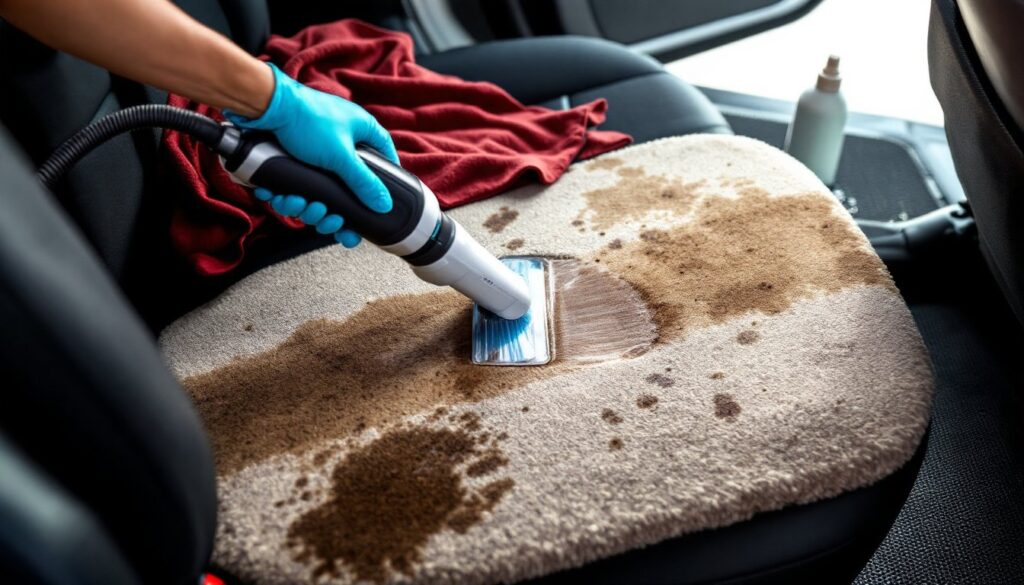
A car carpet cleaner machine delivers hot water extraction (commonly called steam cleaning, though it’s not actual steam). These portable units spray a mix of hot water and cleaning solution deep into carpet fibers, then immediately vacuum the dirty water back into a recovery tank. This process flushes out embedded grime that spray cleaners can’t reach.
Auto carpet cleaner machines designed for vehicles are compact, with narrow nozzles and handheld tools that fit between seats and into footwells. Models range from $80 handheld spot cleaners to $250+ upright units with heated water tanks and motorized brushes. Key features to compare:
- Tank capacity: Smaller tanks (0.5–1 gallon clean water) mean frequent refills but lighter weight. Larger tanks reduce trips to the sink.
- Suction power: Measured in amps or air watts. Stronger suction extracts more moisture, cutting drying time from hours to 2–4 hours.
- Hose length and attachments: A 6–8 foot hose with a 3-inch upholstery tool reaches all carpet areas without repositioning the machine constantly.
- Heat: Machines with built-in heaters maintain water temperature above 140°F, which improves soil suspension and extraction efficiency.
Portable carpet cleaners for cars work on both carpet and fabric upholstery. They’re overkill for single stains but justified for whole-vehicle detailing or households with multiple cars. Rental options (around $30–$40 per day from home improvement stores) make sense for occasional deep cleaning, though rental machines often lack the suction power of mid-tier purchased units.
For best results with any carpet cleaner for vehicle applications, pre-treat heavy stains with a spray cleaner, then follow with machine extraction. Over-wetting is the main DIY mistake, multiple light passes extract more soil than one saturated pass, and excess moisture invites mold in carpet padding.
Step-by-Step Guide to Cleaning Your Car Carpet
Tools and Materials:
- Shop vacuum or wet/dry vac
- Stiff-bristle brush or drill brush attachment
- Carpet cleaner (spray or machine)
- Microfiber towels (at least 6)
- Spray bottle with water
- Portable fan or dehumidifier (optional but recommended)
Safety note: Work in a well-ventilated area. Some cleaners release fumes that build up quickly in enclosed spaces. Wear nitrile gloves if you have sensitive skin.
Step 1: Remove loose debris. Pull out floor mats and vacuum carpets thoroughly, working from top to bottom (under dash, seats, footwells). Use a crevice tool along seat tracks and door sills. A shop vac handles larger debris better than a household vacuum.
Step 2: Pre-treat stains. Spray cleaner directly onto visible stains. Let it dwell 3–5 minutes (check product label). Scrub with a stiff brush in circular motions to work the cleaner into fibers. Don’t skip this, it breaks up stains before extraction.
Step 3: Apply cleaner to entire carpet. For spray cleaners, work in 2×2 foot sections. Spray lightly, agitate with a brush, then blot with a clean microfiber towel. Flip to a dry section of towel frequently. For machines, make one slow forward pass (dispensing solution) and one slow backward pass (extracting) over each area. Overlap passes by 50%.
Step 4: Extract moisture. If using spray cleaner, press dry towels firmly into carpet to absorb as much liquid as possible. With a machine, make 2–3 extraction-only passes (no trigger, just vacuum) until minimal water lifts out. Some professional detailing methods recommend following with a shop vac to pull out residual moisture.
Step 5: Dry thoroughly. Leave all doors open. Run a portable fan aimed at the carpet for 2–4 hours, or park in direct sunlight with windows cracked. In humid climates, use a dehumidifier inside the vehicle. Damp carpet starts smelling musty within 24–48 hours if not fully dried.
Step 6: Vacuum again. Once carpet is completely dry, vacuum to lift flattened fibers and remove any dried residue. This restores texture and ensures no cleaner film remains to attract dirt.
For rubber or vinyl floor mats, skip the carpet cleaner. Scrub them separately with all-purpose cleaner and a brush, rinse with a hose, and air dry before reinstalling.
Tackling Common Car Carpet Stains and Odors
Coffee and soda: Blot immediately with a dry towel to absorb liquid. Apply carpet cleaner and blot again. For dried stains, rehydrate with warm water before treating. Tannins in coffee can set permanently if left more than 48 hours.
Mud and dirt: Let mud dry completely, then vacuum. Wet mud smears and pushes deeper into fibers. Once dry debris is removed, treat residual staining with foam cleaner.
Grease and oil: Use a solvent-based auto carpet cleaner or dish soap diluted 1:10 with water. Blot from the outside of the stain inward to prevent spreading. Multiple treatments may be needed: grease binds to synthetic fibers and requires persistent lifting.
Pet urine: Enzymatic cleaners are non-negotiable. Standard cleaners mask odor temporarily but don’t break down uric acid crystals. Saturate the area (soaking into padding if necessary), let dwell 10–15 minutes, then extract. Repeat if odor persists. Dried urine may require pulling back carpet to treat padding directly, a job best done by removing seats for access.
Mold and mildew: Surface mold responds to 1:1 white vinegar and water sprayed on, scrubbed, and extracted. Extensive mold (black patches, musty smell even when dry) indicates compromised padding. Replacement is often more practical than remediation, as spores embed deeply. Mold grows when moisture sits in padding for 24+ hours, so address leaks from sunroofs, door seals, or HVAC drains immediately.
Salt stains: Common in winter climates where road salt tracks in. Mix 1 part white vinegar to 2 parts water, spray onto white crusty residue, scrub gently, and blot dry. Salt corrodes both carpet backing and metal floorpans, so removal is urgent, not cosmetic.
DIY Car Carpet Cleaner Recipes You Can Make at Home
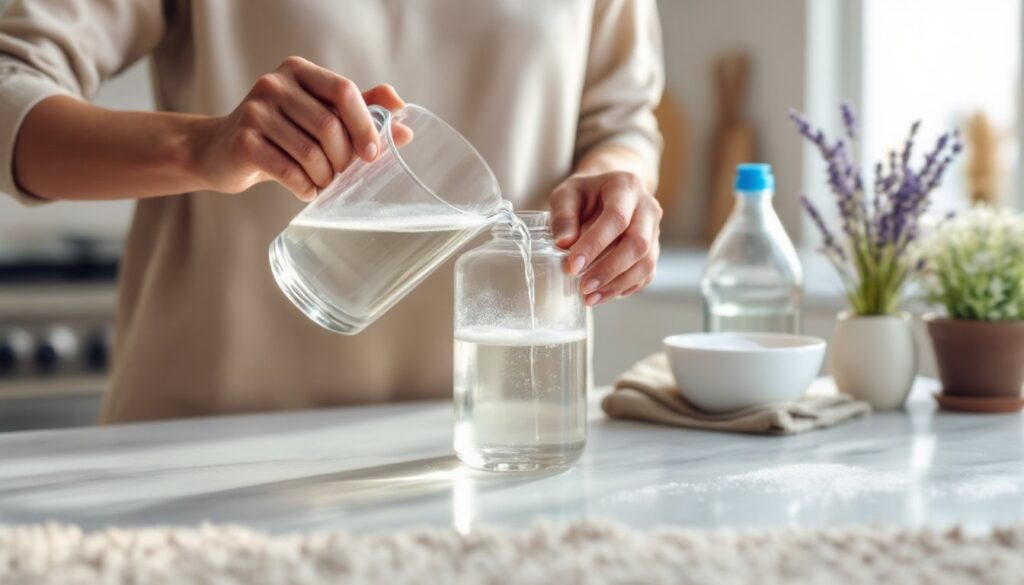
Homemade solutions work for light cleaning and maintenance between professional treatments. They’re gentler than commercial formulas, making them safer for testing on unknown carpet types.
All-Purpose Cleaner:
- 1 cup warm water
- 1 tablespoon dish soap (Dawn or similar grease-cutting formula)
- 1 tablespoon white vinegar
Mix in a spray bottle. Spray onto carpet, scrub with a brush, blot dry. This handles most food and drink stains. Vinegar cuts soap residue and neutralizes odors.
Heavy-Duty Stain Remover:
- ½ cup hydrogen peroxide (3% solution)
- ½ cup warm water
- 1 teaspoon dish soap
Effective on protein stains (blood, vomit). Hydrogen peroxide bleaches, so test first on dark carpets. Apply, let sit 5 minutes, blot thoroughly.
Odor Neutralizer:
- 2 cups warm water
- ½ cup baking soda
- 10 drops essential oil (optional, for scent)
Shake well before each use (baking soda settles). Spray lightly over carpet, let dry, then vacuum. Baking soda absorbs odors rather than masking them. This formula doesn’t clean stains but works well as a post-cleaning deodorizer.
Homemade cleaners lack the surfactants and solvents in commercial products, so they’re less effective on set-in or greasy stains. They also don’t include anti-resoiling agents, meaning carpets may attract dirt faster after treatment. For regular maintenance and fresh spills, they’re sufficient. For full vehicle detailing, commercial carpet cleaner for car products or a machine extraction deliver better results.
Always vacuum before applying any solution, and ensure carpets dry completely. Many home cleaning experts recommend alternating between DIY and commercial treatments to balance cost and cleaning power.