Table of Contents
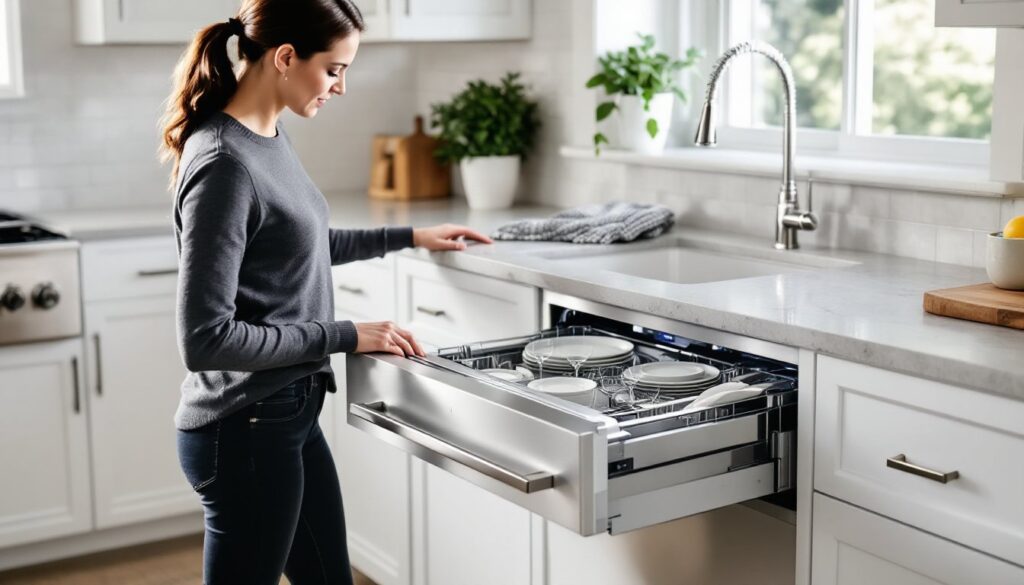
ToggleCramped kitchens don’t have to mean hand-washing dishes forever. An 18 inch dishwasher (sometimes listed as an 18″ dishwasher or 18in dishwasher) fits where standard models won’t, tucking into narrow spaces between cabinets or beside a range. These compact units have become increasingly popular in apartments, condos, and older homes where every inch of counter and cabinet space matters. Even though their smaller footprint, modern 18 inch built in dishwashers deliver surprisingly robust cleaning power and features once reserved for full-size models. This guide covers everything needed to choose, install, and get the most from a compact dishwasher.
Key Takeaways
- An 18 inch dishwasher is designed to fit in tight kitchen spaces where standard 24-inch models won’t, offering 6–8 place settings of capacity perfect for small households, apartments, and older homes.
- Modern 18 inch dishwashers deliver comparable features to full-size units, including adjustable racks, multiple wash cycles, quiet operation, and smart-home connectivity at prices ranging from $400–$1,200.
- Proper installation requires precise measurements of cabinet openings, a dedicated 120V circuit, hot water supply lines, and correct leveling to ensure optimal drainage and performance.
- An 18 inch dishwasher uses 15–20% less water and energy per cycle than standard models, but efficiency gains disappear if you run multiple loads, making household size a key factor.
- Feature availability and selection are narrower for compact models compared to standard dishwashers, so confirm local availability and warranty service options before purchase to avoid delays or complications.
What Is an 18 Inch Dishwasher and Who Needs One?
An 18 inch dishwasher measures roughly 18 inches wide (actual width varies slightly by manufacturer, typically 17.5–18 inches), compared to the standard 24-inch width most kitchens accommodate. The height and depth remain similar to full-size units, around 34–35 inches tall and 24 inches deep, so they fit under standard countertops and align with adjacent cabinets.
These compact models are purpose-built for kitchens where space is non-negotiable. Common scenarios include:
- Urban apartments and condos where galley kitchens or single-wall layouts leave minimal room for appliances
- Older homes built before dishwashers became standard, where cabinet openings are narrower than today’s 24-inch norm
- ADUs (accessory dwelling units) and in-law suites with kitchenettes
- Small households, singles, couples, or empty-nesters, who generate fewer dishes and don’t need a full-size tub
- Wet bars, butler’s pantries, or secondary prep kitchens where a second, smaller dishwasher keeps glassware and serving pieces clean without dominating the space
Typical capacity for an 18 in dishwasher runs 6–8 place settings, compared to 12–16 for a 24-inch model. That’s enough for daily dishes in a one- or two-person household, but larger families or frequent entertainers may find themselves running multiple loads.
It’s worth noting that not all dishwasher 18 inch models are built-in. Portable versions with casters and a top-mounted faucet adapter exist, but this guide focuses on permanent installations that integrate seamlessly with cabinetry.
Key Features to Look for in a Compact Dishwasher
Compact doesn’t mean compromised. Modern 18 inch dishwashers for sale pack in features that rival their full-size counterparts, but not all models are created equal. Here’s what separates a good unit from a mediocre one.
Capacity and Rack Configuration
Interior layout matters more in a compact tub. Look for adjustable upper racks that raise or lower to accommodate tall stemware or oversized plates. Folding tines on the lower rack add flexibility for pots and mixing bowls.
Some manufacturers prioritize plate capacity at the expense of silverware space. A dedicated third rack for flatware frees up room below and keeps utensils from nesting together (which blocks water spray). If the model lacks a third rack, check that the silverware basket can be positioned without crowding the bottom rack.
Corner spray arms and targeted jets improve coverage in tight quarters. Water needs to reach every surface, and a smaller tub doesn’t automatically mean better water distribution, poor rack design can create blind spots where food residue lingers.
Wash Cycles and Performance Options
At minimum, expect three to four wash cycles: light/quick, normal, heavy/pots-and-pans, and rinse/hold. More cycles aren’t always better, but a sanitize option (which heats water to at least 150°F) is useful for baby bottles, cutting boards, or anyone immunocompromised.
A half-load or zone wash feature saves water and energy when running a partial load, common in smaller households. Delay-start timers let users run the dishwasher during off-peak energy hours or when the household is asleep, reducing noise disruption.
Noise level is often overlooked until the dishwasher is installed. Decibel ratings below 50 dB are considered quiet: anything above 55 dB becomes noticeable in open-plan kitchens or adjacent living spaces. Sound insulation adds cost but matters in tight quarters where kitchens blend into dining or living areas.
Energy efficiency ratings (Energy Star certification) indicate lower operating costs over time. Compact models typically use 3–4 gallons per cycle compared to 4–6 gallons for standard dishwashers, but this varies by cycle selection and soil sensor calibration.
Smart-home connectivity is appearing in higher-end 18 inch built in dishwashers, allowing remote start, cycle monitoring, and maintenance alerts via smartphone apps. Whether that’s a necessity or a novelty depends on the user’s existing smart home technology setup and interest in automation.
Installation Considerations for Small Space Kitchens
Installing an 18 built in dishwasher is straightforward if the cabinet opening already exists, but retrofitting a compact model into an older kitchen requires careful planning and potentially some carpentry.
Measuring the opening is step one. The cabinet width should be exactly 18 inches (or slightly wider, 18.5 inches provides clearance for shimming and adjustment). Height is typically 34–35 inches to the underside of the countertop. Depth varies by model: most need at least 24 inches from the front of the cabinet to the back wall, plus clearance for water supply lines and drain hoses.
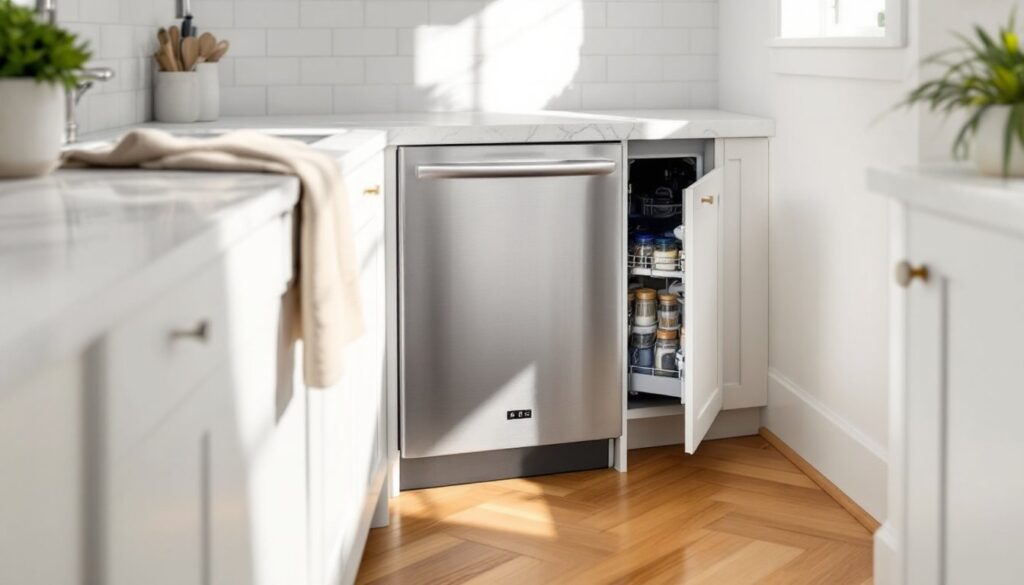
If the existing opening is 24 inches, the homeowner has two options: fill the gap with a filler panel (a vertical strip of matching cabinetry or wood that closes the 6-inch difference), or reconfigure adjacent cabinets to create an 18-inch slot and a new 6-inch pullout drawer or spice rack. The latter requires moderate carpentry skills, cutting and fitting cabinet sides, securing the new unit to the countertop underside and adjacent cabinets, and matching the finish.
Electrical and plumbing requirements mirror standard dishwashers: a dedicated 120V, 15-amp circuit (required by code in most jurisdictions), a hot water supply line (usually 3/8-inch copper or braided stainless flex line), and a drain connection (either to the garbage disposal knockout or directly to the sink drain with an air gap to prevent backflow). Many municipalities require an air gap device mounted on the countertop or sink: check local plumbing codes before installation.
Building codes typically don’t require a permit for replacing an existing dishwasher, but adding one where none existed may trigger permit requirements, especially if new electrical or plumbing lines are run. When in doubt, consult the local building department.
Some older homes have limited clearance behind base cabinets due to thicker plaster walls or obstructions like heating ducts. Measure the depth from the front of the cabinet to the back wall at multiple points (top, middle, bottom) to ensure the dishwasher will fit without forcing connections or compressing hoses.
Leveling is critical. An unlevel dishwasher won’t drain properly, leaving water pooled in the bottom and creating odor or mold issues. Adjustable front legs allow for fine-tuning: most models should be level side-to-side and tilted slightly back (about 1/8 inch from front to rear) to aid drainage.
If DIY plumbing or electrical work feels beyond comfort level, hiring a licensed plumber or electrician for hookup is a reasonable expense. Many appliance retailers offer installation services bundled with purchase: expect to pay $100–$200 for a straightforward hookup, more if new lines need to be run.
For those exploring dishwasher buying decisions, understanding space constraints early in the process prevents costly returns or modifications later.
Comparing 18 Inch vs. Standard 24 Inch Dishwashers
Choosing between an 18 inch and a 24 inch dishwasher comes down to space availability, household size, and budget. Neither is universally better, it’s about matching the tool to the job.
Capacity is the most obvious difference. An 18″ dishwasher holds roughly half the load of a 24-inch model. For a two-person household that cooks at home most nights, an 18in dishwasher handles daily dishes with one load per day. Families of three or more, or households that entertain regularly, will likely find the compact tub limiting and run multiple cycles, which erases any water or energy savings.
Pricing for compact models typically runs $400–$1,200, depending on features, finish, and brand. Standard 24-inch dishwashers occupy the same price range, but entry-level models are slightly less expensive due to higher production volume. Premium features (third racks, WiFi, ultra-quiet operation) cost more in either size.
Energy and water use favor the 18 inch dishwasher by a narrow margin, about 15–20% less per cycle than a 24-inch model. But, if the user runs twice as many loads to keep up with dishes, that advantage disappears. Efficiency depends more on the specific model’s Energy Star rating and user habits than on size alone.
Feature availability is narrower in the compact segment. While most major manufacturers offer at least one 18 inch built in dishwasher, the selection pales compared to the dozens of 24-inch options. Specialized features like bottle jets, adjustable third racks, or custom panel-ready finishes are less common in compact models.
Resale value and future flexibility slightly favor standard sizes. A 24-inch dishwasher fits more kitchens and appeals to a broader range of buyers if the home is sold. That said, in markets with many small apartments or historic homes, a compact dishwasher can be a selling point rather than a limitation.
Installation footprint extends beyond the appliance itself. A standard dishwasher requires a 24-inch opening, but also assumes adequate clearance in front for loading and unloading (typically 21 inches of walkway space minimum for a functional kitchen aisle). In extremely tight layouts, shaving 6 inches off the dishwasher width can make the difference between a cramped workspace and a comfortable one. For small kitchen organization, every inch counts.
One often-overlooked factor: replacement availability. Standard 24-inch dishwashers are stocked at virtually every appliance retailer and big-box store. An 18 dishwasher may require special-ordering or online purchase, which can delay installation or complicate warranty service. Confirm local availability and service options before committing to a compact model.
For households where space is genuinely constrained, an 18 inch dishwasher for sale is a practical compromise that delivers convenience without a major kitchen remodel. For everyone else, a standard 24-inch model offers more capacity and flexibility at a similar price point.
Conclusion
An 18 inch dishwasher solves a specific problem: delivering automated dishwashing in kitchens where space won’t accommodate a full-size unit. For the right household, small, space-constrained, or needing a secondary appliance, it’s a practical investment that reclaims time and counter space. Careful attention to interior layout, cycle options, and installation requirements ensures the compact model performs as well as its larger siblings. Measure twice, check local codes, and don’t hesitate to call in a pro for hookup if plumbing or electrical work feels uncertain.